Sep 26
Eco-Friendly Bulky Item Disposal
How often do we think about the environmental impact of our discarded belongings? With the right knowledge and practices, we can transform our bulky waste into opportunities for sustainability and community support.
What You Will Learn
- Understand what constitutes bulky waste and its significant environmental impact.
- Recognize the consequences of improper bulky item disposal, including pollution and safety hazards.
- Explore various donation opportunities for bulky items to help those in need and reduce waste.
- Learn how to prepare items for donation effectively, ensuring they are ready for a new home.
- Identify local charities and thrift stores that accept bulky item donations to foster community support.
- Discover the long-term benefits of adopting sustainable practices for bulky item disposal.
- Engage in local initiatives and educate others about sustainable practices to amplify impact.
- Find resources and opportunities to get involved in your community’s sustainability programs.
Key Strategies for Sustainable Bulky Item Disposal
Understanding the significant impacts of responsible bulky item disposal can guide us towards more sustainable practices. Below are key strategies outlined for effective disposal.
Explore Donation Opportunities
Consider donating usable items to:
- Local charities
- Thrift stores
- Community centers
- Online platforms
Repair and Upcycling
Consider extending the life of your bulky items through:
- Repurposing old furniture
- Repairing appliances
- Transforming items into something new
Learn About Local Recycling Centers
Understand the guidelines for recycling bulky items:
- Check materials accepted
- Know drop-off locations
- Follow the proper sorting processes
Stay Informed About Disposal Regulations
Knowing your local regulations helps avoid fines:
- Research disposal laws
- Understand pickup schedules
- Be aware of hazardous waste guidelines
Understanding Sustainable Practices for Bulky Item Disposal
When it comes to decluttering our lives, understanding how to dispose of bulky items sustainably is essential. Bulky waste can create significant challenges, but knowing the right steps to take can make a world of difference. At RubbishRanger, we believe in tackling these challenges together and promoting a cleaner, greener community for all! For more comprehensive guidance, explore sustainable bulky item removal options.
Defining Bulky Waste and Its Environmental Impact
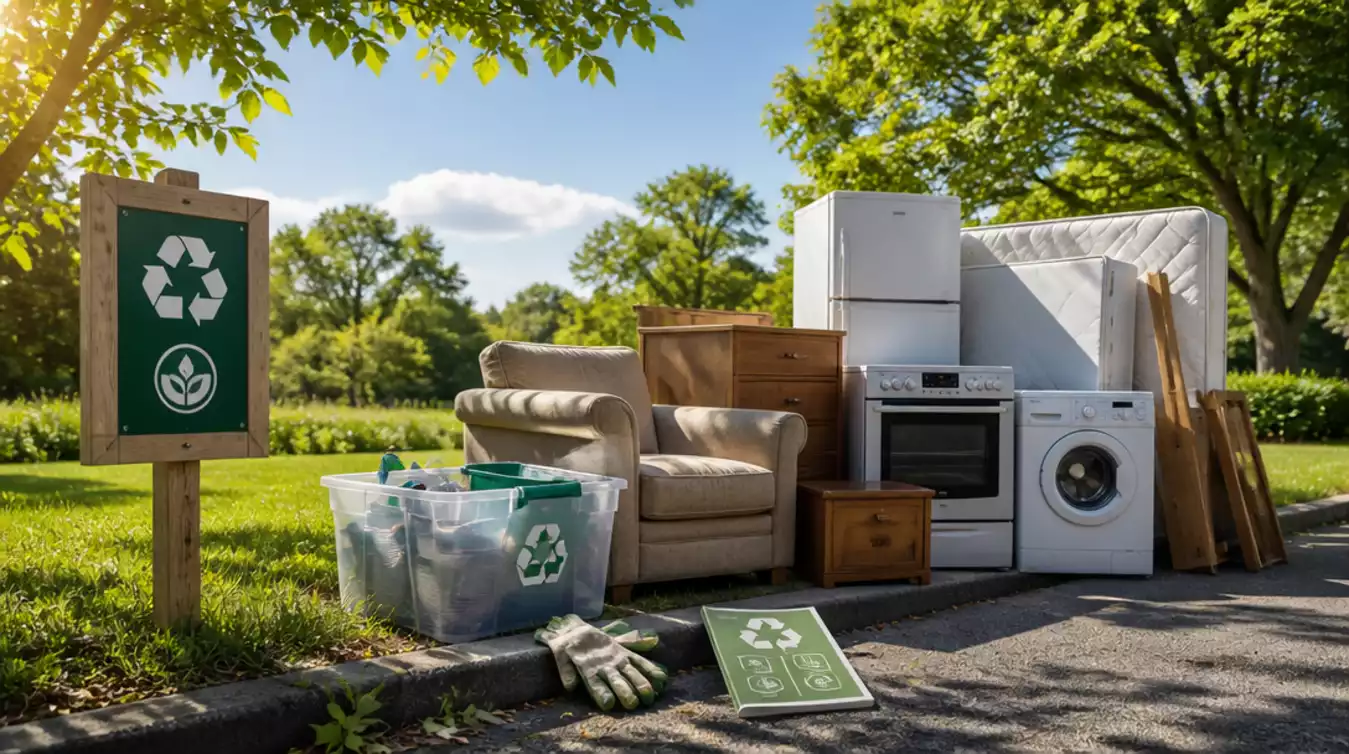
So, what exactly is bulky waste? This term generally refers to large items that require special handling when it comes to disposal. Think of things like old couches, oversized appliances, or even mattresses—items that simply can’t fit in your regular trash bin!
Improper disposal of bulky waste can lead to several negative environmental impacts. When these items end up in landfills, they can contribute to pollution and take up valuable space. Not to mention, some materials can leach harmful substances into the soil and water. Let’s work together to ensure that doesn’t happen!
What Constitutes Bulky Waste?
Bulky waste can include a variety of items, such as:
- Old furniture (couches, chairs, tables)
- Appliances (refrigerators, washing machines)
- Mattresses and bed frames
- Carpets and rugs
- Large playsets or exercise equipment
Remember, it’s not just about size; the materials used in these items also play a crucial role in determining how they should be disposed of. Taking the right steps can make all the difference! To learn more about specific regulations, consider this guide on bulky item disposal regulations explained.
The Consequences of Improper Bulky Item Disposal
Disposing of bulky items incorrectly can lead to some serious consequences. Not only can it harm the environment, but it can also lead to fines and penalties in many municipalities! When items are left on the curb or abandoned, they can create safety hazards and make neighborhoods look unkempt.
To avoid these issues, I encourage everyone to think responsibly about how they dispose of their bulky waste. By choosing sustainable practices, we can all contribute to a cleaner, healthier community! Let’s empower each other with knowledge and take action!
Implementing Reuse-First Strategies for Bulky Item Disposal
One of the best ways to handle bulky waste is to prioritize reuse! Rather than tossing items away, consider giving them a second life. This not only reduces waste but also helps those in need. At RubbishRanger, we love supporting the community through donation opportunities!
Donation Opportunities for Bulky Items
There are numerous ways to donate bulky items, and many local organizations are eager to accept them. Not sure where to start? Here’s a quick list of options:
- Local charities (food banks, shelters)
- Thrift stores (Goodwill, Salvation Army)
- Community centers or churches
- Online platforms (Facebook Marketplace, Freecycle)
Let’s explore how to prepare these items for donation and make a positive impact in our community!
Identifying Local Charities and Thrift Stores
Finding local charities and thrift stores that accept bulky donations is easier than you might think. Start by doing a quick online search for organizations in your area. Many will have specific guidelines about what they’re willing to accept, so be sure to check their websites or give them a call.
When you donate, you’re not only decluttering your space, but you’re also helping someone else in need! It’s a win-win situation that brings joy to many.
How to Prepare Items for Donation
Preparing items for donation is simple and can be quite rewarding. Here’s a quick checklist to help you get started:
- Clean the items thoroughly before donating.
- Check for any missing parts or damage.
- Package items securely if necessary.
- Include any original instructions or accessories.
Taking these extra steps not only ensures your items are ready for a new home, but it also makes the donation process smoother for everyone involved!
Furniture Donation: Supporting Local Needs
Furniture donations can significantly impact local families and community organizations. Many people struggle to afford essential items, and your old couch or dining set could make all the difference!
Once you’ve identified a suitable charity, reach out to see if they offer pickup services. Many organizations are happy to come to your home and collect larger items, making the process easier for you.
Let’s embrace the spirit of giving and make our community a better place, one bulky item at a time! For more efficient ways to handle large furniture, check out these tips on quickly removing large furniture.
Pro Tip
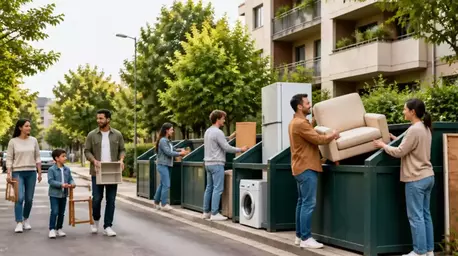
Did you know? Setting up a "bulky item swap day" in your neighborhood can be a fun and effective way to encourage reuse! Invite your neighbors to bring items they no longer want and allow others to take what they can use. This not only reduces waste but also fosters community spirit and connection!
FAQs on Sustainable Bulky Item Disposal
What is considered bulky waste?
Bulky waste generally refers to large items that cannot fit into standard trash bins, such as old furniture (couches, tables), large appliances (refrigerators, washing machines), mattresses, carpets, and exercise equipment.
Why is improper disposal of bulky items harmful?
Improper disposal can lead to environmental pollution by taking up valuable landfill space and potentially leaching harmful substances into the soil and water. It can also create safety hazards in neighborhoods and result in fines or penalties.
What are the best ways to dispose of bulky items sustainably?
Prioritize donation for usable items to local charities, thrift stores, or community centers. Consider repairing or upcycling items to extend their life. For items that cannot be reused, learn about local recycling centers and adhere to municipal disposal regulations.
How can I prepare items for donation?
Before donating, ensure items are thoroughly cleaned, checked for any missing parts or significant damage, and packaged securely if necessary. Including original instructions or accessories can also be helpful.
How can I find local charities that accept bulky item donations?
You can start by searching online for charities, thrift stores, or community centers in your area. Many organizations will have websites with specific guidelines on what they accept and may even offer pickup services for larger items.
What are the long-term benefits of sustainable bulky item disposal?
Adopting sustainable practices leads to improved air and water quality, conservation of valuable resources, strengthened local charities through donations, and enhanced community pride and engagement in environmental efforts.
Summarizing Sustainable Practices for Bulky Item Disposal
When it comes to bulky item disposal, understanding the impact of responsible practices is crucial. It’s not just about getting rid of things; it’s about doing it the right way! At RubbishRanger, we believe that a little thoughtfulness can go a long way in protecting our environment and improving our communities.
Responsible disposal is all about making smart choices. By prioritizing sustainable practices, we not only keep our neighborhoods clean but also help reduce waste in landfills. Let’s take a closer look at some key strategies that can guide us towards a more sustainable approach!
The Importance of Responsible Disposal
Every time we choose to recycle, donate, or upcycle, we’re taking an important step towards sustainability. It’s essential to remember that our choices matter! By practicing responsible disposal, we can:
- Reduce landfill waste and its harmful effects on the environment
- Conserve valuable resources through recycling and reusing
- Support local charities with our donations
At RubbishRanger, we’re passionate about these practices, and we want to share that enthusiasm with you! It’s exciting to think about how each of us can contribute to a cleaner, greener world.
Recap of Key Strategies for Sustainable Practices
So, what are the key takeaways for sustainable bulky item disposal? Here’s a quick recap:
- Explore donation opportunities for usable items.
- Consider repair and upcycling as a way to extend the life of your items.
- Learn about local recycling centers and their guidelines.
- Stay informed about your city’s disposal regulations.
These strategies are not just about decluttering; they’re about making a positive impact! Together, we can create a culture of sustainability in our communities.
Long-term Benefits for the Environment and Community
Adopting sustainable practices doesn’t just make our homes tidier; it also fosters a healthier environment for future generations. Imagine a community where everyone participates in responsible disposal! Here are some long-term benefits:
- Improved air and water quality through reduced waste.
- Strengthened local charities that rely on donations.
- Enhanced community pride and engagement in sustainability efforts.
Let’s work hand in hand to embrace these practices and make our neighborhoods a better place to live!
Encouraging Community Participation and Awareness
Community involvement is vital for fostering sustainable practices. It’s not just about what we do as individuals; it’s about coming together to create a larger impact. At RubbishRanger, we encourage everyone to get involved and spread the word!
Whether it’s participating in local initiatives or educating ourselves and others about sustainability, every small action counts. Together, we can build a strong community focused on responsible disposal and waste management. For more details on efficient waste handling, explore efficient rubbish removal solutions.
Engaging in Local Initiatives and Education
Have you ever thought about how you can make a difference? Getting involved in local sustainability programs is a fantastic way to contribute! Here are some ways to engage:
- Join community clean-up events to help beautify your surroundings.
- Attend workshops on recycling and waste management.
- Volunteer with local organizations focused on sustainability.
Your participation can inspire others to join in and amplify the impact of these initiatives! Let’s make cleaning up our communities a fun and rewarding experience!
How to Get Involved in Local Sustainability Programs
Curious about how to find local programs? Here are some quick tips:
- Check community boards for upcoming events.
- Follow local environmental groups on social media.
- Ask friends and family about organizations they support.
Getting involved is easier than you think! Together, we can create lasting change in our communities.
Final Call to Action: Make a Difference Today
Ready to take action? Making a positive impact is just a few steps away! Here’s how you can start:
- Assess your home for bulky items you no longer need.
- Decide whether to donate, recycle, or upcycle those items.
- Reach out to your community for events or programs to support.
Every action you take adds up. Let's work together to foster a sustainable future!
Resources for Further Information and Engagement
If you’re looking for more ways to engage with sustainability, check out these resources:
- Local environmental nonprofits for volunteering opportunities.
- Online platforms with guides on recycling and donations.
- Community forums to discuss sustainability efforts.
These resources can help you stay informed and connected with others who share your passion for a cleaner world!
Public Awareness Campaigns for Sustainable Practices
Lastly, let’s talk about awareness! Public campaigns are essential for spreading the word about sustainable practices. Here are ways to support these initiatives:
- Share posts on social media to raise awareness.
- Participate in discussions about sustainability in your community.
- Encourage friends and family to adopt eco-friendly habits.
With collective efforts, we can inspire change and make responsible disposal a priority. Let’s transform our communities together, one step at a time! For additional strategies on managing household clutter, explore these tips to declutter your living space.
Recap of Key Points
Here’s a quick recap of the important points discussed in the article:
- Bulky waste includes large items like furniture and appliances that require special disposal methods.
- Improper disposal can lead to environmental pollution and safety hazards in neighborhoods.
- Prioritize reuse and donation, supporting local charities and organizations in need.
- Prepare items for donation by cleaning, checking for damage, and packaging securely.
- Engage in local sustainability initiatives to foster community involvement and awareness.
- Stay informed about local recycling guidelines and disposal regulations.

Liam Hawthorne
Expert in waste management. Rubbish removal specialist. Committed to hassle-free cleanouts.
Liam Hawthorne is dedicated to transforming cluttered homes and businesses into serene, organized environments, empowering families and individuals to embrace a clutter-free lifestyle. Join him on our blog for daily tips and tailored strategies that simplify your home and enhance your well-being.