Aug 17
Bulky Item Disposal Regulations Explained
Understanding the concept of bulky waste is crucial, especially as it plays a significant role in our communities and the environment. How well do you know the responsibilities associated with disposing of large, unwieldy items? Learning about this topic can lead to more sustainable practices and safer communities.
What You Will Learn
- Bulky waste includes large items like furniture and appliances that require special handling for disposal.
- Improper disposal of bulky items can lead to safety hazards, equipment damage, and environmental issues.
- Following local regulations for bulky waste disposal is essential to avoid fines and contribute to community health.
- Community engagement through workshops and clean-up events enhances public awareness of responsible waste management.
- Understanding the penalties for improper disposal can help you stay compliant and promote a cleaner environment.
- Participating in local public education campaigns can empower you to make informed decisions about waste disposal.
Understanding Bulky Waste and Its Disposal
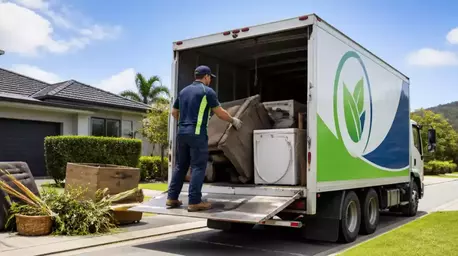
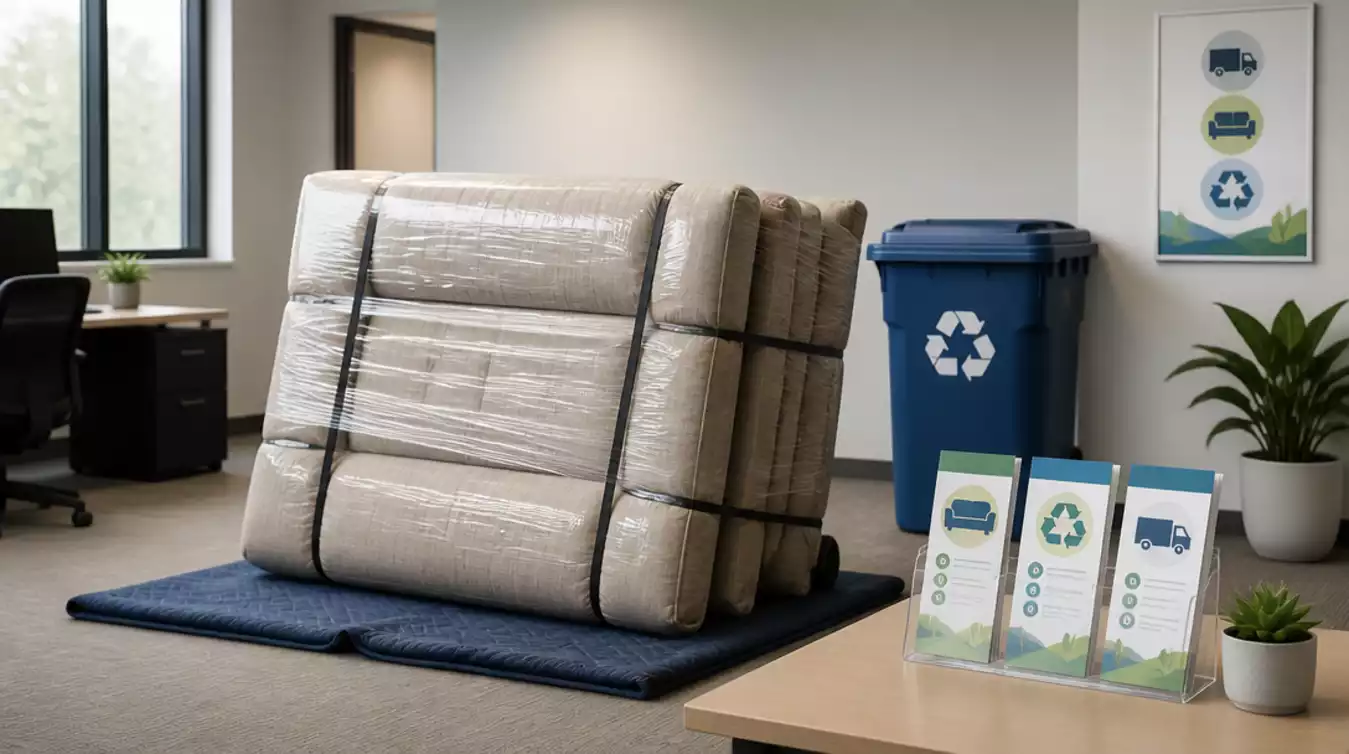
Here’s a visual representation of the types of bulky waste and reasons for special handling. For more detailed information on how to efficiently manage these items, check out our guide on efficient bulky item pickup services.
Types of Bulky Waste
- Old Furniture
- Large Appliances
- Mattresses
- Oversized Household Items
Reasons for Special Handling
- Potential Injury to Waste Collectors
- Clogging of Waste Collection Vehicles
- Environmental Concerns
Potential Fines for Improper Disposal
- Fines vary by municipality
- Environmental hazards due to improper disposal
- Stricter penalties for repeat offenders
Community Engagement
- Join Community Workshops
- Follow Local News
- Participate in Clean-Up Events
Understanding Bulky Item Disposal: Definitions and Importance
Hey there! Are you curious about what constitutes bulky waste? Understanding this category of waste is essential for responsible disposal. Bulky items usually include large furniture, appliances, and other oversized materials that can't fit into your regular trash bins. At RubbishRanger, we see these items all the time—think old sofas or broken refrigerators that just can't find their way to the curb!
Defining bulky waste helps us grasp why these items require special handling. Here’s a quick rundown of what falls under this category:
- Old furniture (like couches and beds)
- Large appliances (such as washing machines and dryers)
- Mattresses and box springs
- Other oversized household items
What Constitutes Bulky Waste?
So, what exactly do we mean when we talk about bulky waste? It’s items that are not only large but also heavy, making them difficult to dispose of through normal trash services. For example, it’s not just the size, but also the weight that makes a regular trash pickup a challenge! That's why understanding these definitions is crucial for effective waste management. If you're looking to quickly remove large furniture, specialized services are often the best solution.
Regular trash services are designed for everyday waste, like food scraps and small packaging materials. Bulky items, on the other hand, need special attention because they can cause safety hazards if placed incorrectly. Let’s take a look at some of the reasons why bulky waste cannot be disposed of with regular trash:
- Potential injury to waste collectors from heavy lifting
- Clogging of waste collection vehicles or facilities
- Environmental concerns regarding proper processing
Defining Bulky Items in Waste Management
In waste management, we define bulky items as large pieces of furniture and appliances that require extra effort to remove. This isn't just about the size; it's also about how these items are treated at disposal facilities. Bulky waste often needs specialized handling or processing to ensure it's recycled or disposed of in an eco-friendly manner. At RubbishRanger, we always aim to recycle or donate as much as possible!
Think about it! When you decide to replace that old couch, it’s not just about getting rid of it. You want to make sure it's disposed of responsibly, right? Understanding what qualifies as bulky waste helps you make informed decisions about disposal and ensures you stay compliant with local regulations. For more tips on managing large items, explore our article on preparing bulky items for removal.
Why Bulky Waste Cannot Be Disposed of with Regular Trash
Now, let’s dive into why you can't just toss bulky items in your regular trash! The first reason is safety—bulky items pose a risk during collection as they can cause injuries. Not to mention, they can damage collection trucks and equipment if not handled properly. That’s why we at RubbishRanger step in to help with our efficient and friendly service!
Moreover, bulky waste often requires different disposal methods, including recycling or special landfill procedures. By ensuring that these items are disposed of correctly, we can contribute to a cleaner environment and promote sustainability. Together, we can make a difference!
Pro Tip
Did you know? Scheduling your bulky item pickup on a designated collection day can save you time and ensure that your items are disposed of properly. Many municipalities have specific days for bulky waste collection, making it easier for residents to comply with local regulations. Check your local waste management website for details!
Frequently Asked Questions About Bulky Waste Disposal
What is considered bulky waste?
Bulky waste includes large items such as old furniture (sofas, beds), large appliances (washing machines, refrigerators), mattresses, and other oversized household items that cannot fit into standard trash bins.
Why can't bulky items be disposed of with regular trash?
Bulky items pose several challenges: they can cause injury to waste collectors, damage waste collection vehicles, and require special processing or recycling methods due to their size and material composition. Regular trash services are not equipped to handle such items.
What are the potential consequences of improper bulky waste disposal?
Improper disposal can lead to fines and penalties that vary by municipality. It also contributes to environmental hazards and, for repeat offenders, can result in stricter legal repercussions. Additionally, it negatively impacts community aesthetics and cleanliness.
How can I ensure I'm complying with local bulky waste regulations?
To ensure compliance, you should consult your local waste management website or municipality for specific guidelines on bulky item disposal, including designated collection days and drop-off locations. Participating in local public education campaigns and community workshops can also keep you informed.
How can community engagement help with bulky waste management?
Community engagement through workshops, clean-up events, and public education campaigns raises awareness about proper disposal methods and waste minimization. It encourages residents to adopt responsible practices, fosters a cleaner environment, and strengthens community efforts in sustainable waste management.
Taking Action: Ensuring Compliance with Bulky Item Disposal Laws
When it comes to managing bulky waste, it’s crucial to understand the importance of following local regulations. Compliance isn’t just about avoiding penalties; it’s about contributing to a cleaner, healthier environment. At RubbishRanger, we believe that being responsible with waste disposal helps our community thrive!
Ignoring the guidelines can lead to some hefty fines and penalties. It’s essential to know what can and cannot be discarded and to adhere to the specific rules in your area. This not only keeps you in the clear legally but also promotes good practices that everyone can benefit from!
- Potential Fines: Fines can vary widely depending on the municipality.
- Community Impact: Improper disposal can lead to environmental hazards.
- Legal Repercussions: Repeat offenders may face stricter penalties.
Importance of Following Local Regulations
Understanding local regulations is crucial for responsible bulky item disposal. Each area may have different rules, and this can change how you dispose of items effectively. By being informed, you can ensure that your waste is handled correctly without any added hassle!
Public education campaigns often play a significant role in helping residents grasp the importance of proper waste management. Many local governments work hard to raise awareness about the benefits of recycling and safe disposal methods. So, why not take part in these initiatives and stay updated? For efficient rubbish removal solutions, knowing your local guidelines is a great starting point.
- Join Community Workshops: Learn about waste management best practices.
- Follow Local News: Stay informed about changes in regulations.
- Participate in Clean-Up Events: Engage with your community while helping the environment.
Understanding Fines and Penalties for Improper Disposal
Improper disposal can lead to some surprises, and they usually aren’t the good kind! Fines for not following regulations can range from a small fee to significant penalties, depending on the violation. It's essential to keep yourself educated about what constitutes improper disposal.
At RubbishRanger, we emphasize the importance of understanding these rules to avoid headaches later on. By following them, you ensure your space—and our community—remains clutter-free and safe!
Public Education Campaigns on Waste Minimization
Public education is key to building a responsible community. Many cities have programs aimed at teaching residents how to minimize waste and properly dispose of bulky items. Engaging with these campaigns can really make a difference!
Consider getting involved! Many local organizations offer resources and hands-on workshops. It’s a fantastic way to learn more and connect with others who are also passionate about keeping our communities clean.
Conclusion: Your Role in Responsible Bulky Waste Management
As we wrap things up, let’s talk about your role in responsible bulky waste management. Every little action counts! When you take the time to understand and follow disposal laws, you’re contributing to a cleaner and more sustainable future.
At RubbishRanger, we believe that every individual can make an impact. Whether it's through proper disposal practices, engaging with community initiatives, or simply spreading the word, you can play a part in maintaining a clutter-free environment!
Engaging with Your Community for Better Disposal Practices
Engagement is a powerful tool. By participating in your community's waste management efforts, you help spread awareness and encourage others to follow suit. Let’s create a positive impact together!
Consider organizing or joining local clean-up events. You can also share your knowledge about proper disposal methods with friends and neighbors! Together, we can foster a culture of responsibility and care for our environment, allowing for decluttering your living space easily.
Final Thoughts on Responsible Bulky Item Disposal
In conclusion, responsible bulky item disposal is not just about compliance; it’s about taking pride in our community. Whether you’re clearing out old furniture or tackling a larger cleanout project, remember that your actions matter!
At RubbishRanger, we’re here to assist you every step of the way. Let’s work together to keep our spaces clutter-free and our communities thriving. If you have any questions or want to learn more about our services, don’t hesitate to reach out. We’re ready to help make rubbish removal a breeze!
Recap of Key Points
Here is a quick recap of the important points discussed in the article:
- Definition of Bulky Waste: Bulky waste includes large items like furniture, appliances, and mattresses that cannot be disposed of through regular trash services.
- Safety Concerns: Bulky items can pose risks to waste collectors and may damage collection vehicles, necessitating special disposal methods.
- Compliance with Local Regulations: Following local disposal laws is crucial to avoid fines and contribute to environmental sustainability.
- Community Engagement: Participating in local workshops and clean-up events can enhance awareness and promote responsible waste management practices.
- Education on Improper Disposal: Understanding the consequences of improper disposal helps avoid penalties and fosters a cleaner environment.

Liam Hawthorne
Expert in waste management. Rubbish removal specialist. Committed to hassle-free cleanouts.
Liam Hawthorne is dedicated to transforming cluttered homes and businesses into serene, organized environments, empowering families and individuals to embrace a clutter-free lifestyle. Join him on our blog for daily tips and tailored strategies that simplify your home and enhance your well-being.