Sep 10
Declutter Your Child's Toys Today
Are you overwhelmed by a sea of toys in your living room? It’s time to take charge and reclaim your space! With effective strategies for decluttering, you can create a calm and organized environment that fosters creativity and play for your children. Let’s dive into some key takeaways that will guide you on your decluttering journey.
What You Will Learn
- Decluttering children's toys enhances focus, calmness, and family bonding.
- Implement a quick 30-minute sorting system using clear categories: Keep, Donate, Sell, Discard.
- Create dedicated toy zones (e.g., Building Zone, Creative Zone) to streamline playtime and toy management.
- Establish a One-In-One-Out rule to manage toy acquisition and maintain a clutter-free environment.
- Regularly schedule seasonal toy audits to keep track of what your child loves and needs.
- Use clear labeling systems to make organization easy and encourage children to participate in tidying up.
- Incorporate educational toys into playtime to reduce clutter while enriching your child's development.
Quick Steps for Decluttering Toys
A concise overview of the effective steps to declutter children's toys.
Step 1: Set a Timer
Allocate 30 minutes to avoid feeling overwhelmed.
Step 2: Gather Supplies
Create boxes for Keep, Donate, Sell, and Discard.
Step 3: Start Sorting
Go through toys quickly and categorize them.
Benefits of Decluttering
Creates a calm space and enhances focus for children.
Effective Strategies for Decluttering Children's Toys
Understanding the Need for Toy Decluttering
Have you ever stepped on a rogue Lego piece while trying to navigate your living room? It’s a common scenario, and it highlights the need for decluttering children’s toys! Not only does decluttering create a tidier space, but it also brings emotional and physical benefits for both kids and parents.
When we clear out old toys, it fosters a sense of calm and order in the home. Children can focus better when their play area isn't overwhelmed with clutter. Plus, it creates opportunities for families to bond as they decide what to keep, donate, or discard. Together, you can create a playful environment that encourages creativity and play! For more tips on maintaining a neat home, explore how to declutter your living space effectively.
Quick Decluttering Steps for Immediate Results
Ready to tackle that toy mountain? You can declutter toys in just 30 minutes with a simple sorting framework! Here’s how to get started:
- Set a timer: Allocate 30 minutes to this task so you don’t feel overwhelmed.
- Gather supplies: Grab some boxes or bags for sorting. You’ll need one for keeping, one for donating, one for selling, and one for discarding.
- Get sorting: Go through the toys quickly, picking them up one by one and placing them in the appropriate category.
By sticking to this time limit, you’ll find it easier to make quick decisions without getting bogged down by nostalgia or indecision! Let’s keep the momentum going!
Sorting Categories: Keep, Donate, Sell, Discard
When sorting through toys, it’s helpful to create clear piles based on condition and importance. Here’s a quick breakdown:
- Keep: Toys that are in good condition, loved, and regularly played with.
- Donate: Gently used toys that can bring joy to other kids.
- Sell: Items that are valuable or collectible; consider a garage sale!
- Discard: Broken or damaged toys that can’t be fixed.
This method ensures you’re making thoughtful choices about what stays and what goes. It’s all about creating space for the toys your child truly loves!
Identifying Broken or Outgrown Toys
As you sort through the toys, look for items that are broken or outgrown. Ask yourself these questions:
- Is it missing pieces?
- Has my child played with it in the last six months?
- Is it age-appropriate anymore?
By assessing toys this way, you can easily identify which items are no longer suitable for your little ones. This creates a more enjoyable play area for them—something we really value at RubbishRanger! Our goal is to help families reclaim their spaces through efficient rubbish removal solutions.
Effective Organizational Systems for Toy Storage
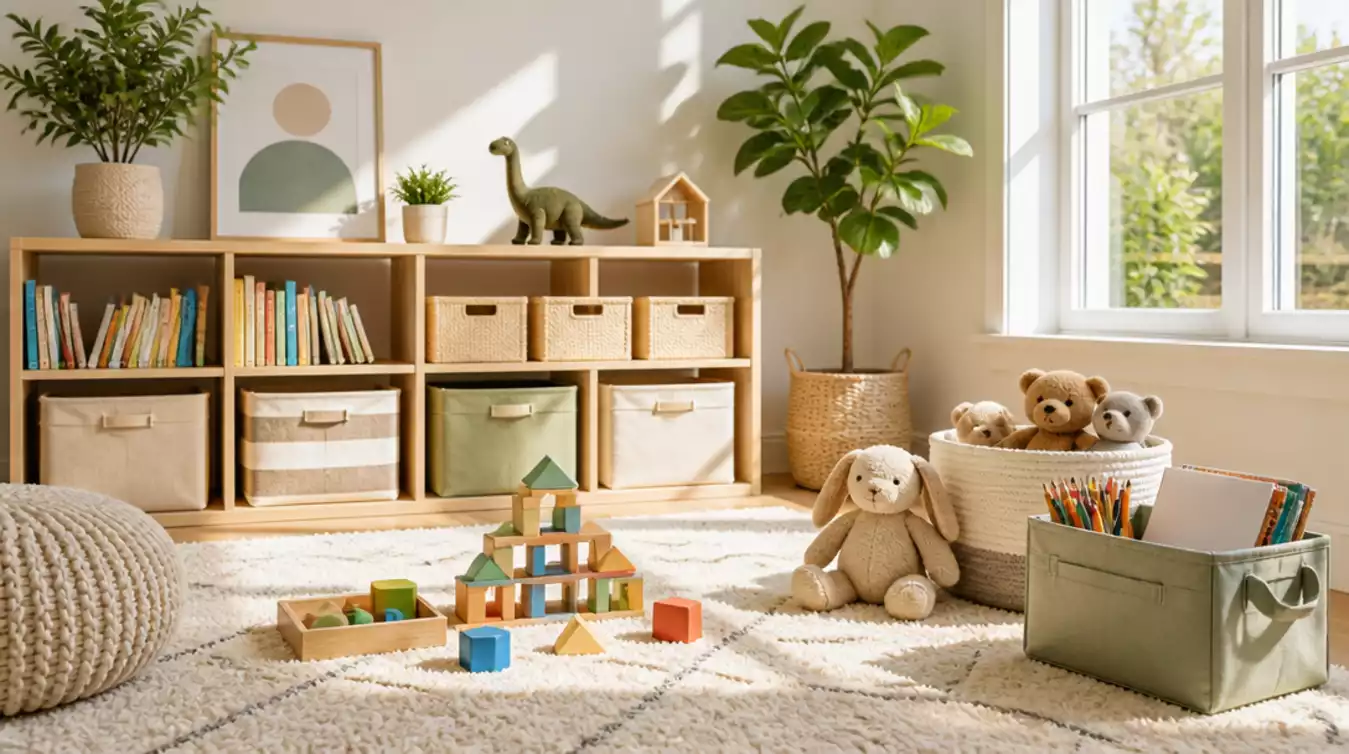
Once you’ve decluttered, it’s time to get organized! Using effective storage solutions will keep your toy area neat and accessible. Here are some ideas to consider:
- Clear bins: Use transparent containers so kids can easily see their toys!
- Labels: Label each bin according to toy categories for quick identification.
- Bookshelves: Designate a shelf for books and larger items.
These organizational systems not only make clean-up easier but also encourage kids to put toys away after playtime. With everything in its place, it’s a win-win!
Using Labeled Bins and Clear Storage
Let’s dive a bit deeper into using labeled bins. By clearly marking each container, you can teach your child where to put toys back after use. Here’s how you can set it up:
- Assign specific colors for different categories.
- Use pictures alongside words for younger children.
- Involve your child in creating the labels for personalized fun!
When kids know where everything belongs, they’re more likely to keep things organized. Together, we can turn the chaos of toys into a harmonious space!
Creating Dedicated Toy Zones
Establishing dedicated spaces for different types of toys can make playtime more fun! Here are some zones to consider:
- Building Zone: Keep blocks and construction sets in one area.
- Creative Zone: Designate a space for arts and crafts supplies.
- Reading Zone: Create a cozy nook for books and storytelling.
By organizing toys into zones, kids can easily find what they’re looking for. Plus, it adds a fun element to playtime, making it easier for you to manage their toy collection!
Pro Tip
Did you know? Involving your child in the decluttering process not only helps them learn about organization but also gives them a sense of ownership over their space. Let them decide which toys to keep, donate, or discard. This practice encourages responsibility and can turn decluttering into a fun family activity!
Maintaining a Clutter-Free Toy Environment
Keeping a tidy toy area can feel like a never-ending battle! But don’t worry; I’ve got some fantastic strategies to help you maintain a clutter-free environment for your little ones. By implementing a few simple practices, you can ensure that toys remain organized and easily accessible. Let’s dive into the steps that can make a big difference!
Establishing a One-In-One-Out Rule
The one-in-one-out rule is a game changer when it comes to managing toy clutter. This principle means that whenever you or someone gifts your child a new toy, an old one must go! This simple practice helps control the number of toys in your home and teaches kids the value of letting go of items they no longer use.
- Before birthdays or holidays, remind friends and family about this rule.
- Encourage your child to select a toy to donate or sell when a new one comes in.
- Keep a dedicated donation box handy to make this process easier.
By setting this rule, you create an intentional approach to toy acquisition that helps maintain a clutter-free space. Soon enough, your home will thank you!
Creating a Seasonal Toy Audit Schedule
Regular toy audits are essential to keeping clutter at bay! A seasonal schedule allows you to assess toy collections and update them. Choose a specific time of year, like spring and fall, to review what’s working and what isn’t.
- Gather all the toys in one area.
- Involve your child in the process to make it fun and engaging.
- Sort toys into categories: keep, donate, and recycle.
- Store seasonal toys separately, if applicable.
By making this a routine, you’ll find it easier to keep track of what your child truly enjoys, while also making space for new interests. For more ways to manage household items, consider these quick clutter removal tips.
Implementing a Toy Storage Maintenance Plan
Keeping your toys organized is only half the battle; maintaining that organization is key! A toy storage maintenance plan will help you stay on top of clutter. Here are some actionable tips to consider:
- Set aside time each week for a quick tidy-up session.
- Involve your child in maintaining the toy area; it teaches responsibility!
- Regularly check the condition of toys and remove any broken items.
Having a plan makes it easier to prevent chaos from creeping back into your space. Trust me, a little effort goes a long way!
Labeling Systems for Easy Maintenance
Labels can be a lifesaver when it comes to toy organization! Develop a labeling system that evolves with your child’s needs. Here’s how to get started:
- Use clear plastic bins with labels for easy identification.
- Involve your child in choosing colors or images for labels to personalize their space.
- Update labels as your child’s interests change to keep it relevant.
With a straightforward labeling system, even the youngest family members can help keep things neat and tidy!
Encouraging Open Communication About Toys
Having open conversations about toys is essential! Talk to your children about their toy usage and expectations. Ask questions like, “Which toys do you love the most?” or “Are there any you don’t play with anymore?” This dialogue helps them feel involved in the decluttering process.
When children understand the reason behind decluttering, they become more willing to let go of toys. Remember, it’s all about creating a supportive environment where their opinions are valued!
Incorporating Educational Toys into Playtime
When it comes to toys, quality over quantity is crucial! Incorporating educational toys into playtime not only makes for engaging play but also supports your child's development. Here are some benefits:
- Educational toys encourage critical thinking and creativity.
- They often have multi-functional uses, reducing the need for multiple toys.
- Kids can learn important skills while having fun!
By focusing on educational options, you can reduce clutter while enriching your child's playtime experiences! If you're tackling larger items, remember you can always quickly remove large furniture with professional help.
Frequently Asked Questions About Toy Decluttering
Here are some common questions and answers to help you on your toy decluttering journey:
- Q: Why is decluttering children's toys important?
- A: Decluttering toys creates a calmer, more organized play space, which can enhance children's focus and creativity. It also fosters family bonding as you work together to decide what to keep, donate, or discard.
- Q: How long should I spend on decluttering toys?
- A: You can achieve significant results in just 30 minutes by setting a timer. This helps prevent overwhelm and encourages quick decision-making.
- Q: What are the main sorting categories for toys?
- A: The main categories are Keep (loved and frequently played with), Donate (gently used), Sell (valuable items), and Discard (broken or damaged toys).
- Q: How can I keep toys organized after decluttering?
- A: Use clear, labeled bins, bookshelves, and create dedicated toy zones (e.g., Building Zone, Creative Zone) to make storage and retrieval easy. Involve your child in the labeling process for better engagement.
- Q: What is the "One-In-One-Out" rule?
- A: This rule means that for every new toy your child receives, an old toy must be donated or discarded. It helps manage the influx of new items and prevents clutter from accumulating.
- Q: How often should I conduct a toy audit?
- A: Scheduling seasonal toy audits (e.g., in spring and fall) is a great way to regularly assess your child's toy collection, keep track of their interests, and make space for new ones.
Encouragement and Final Thoughts on Toy Decluttering
In closing, maintaining a clutter-free toy environment is a continuous journey, but the rewards are worth it! A tidy space promotes creativity, reduces stress, and fosters independence in children. By establishing routines, involving your child, and choosing quality over quantity, you can create a harmonious play area.
Call to Action: Start Your Decluttering Journey Today
Are you ready to tackle the toy clutter in your home? Don’t wait! Start your decluttering journey today and see how it transforms your space. Remember, at RubbishRanger, we’re here to help with any heavy lifting or rubbish removal you might need. Together, let’s create a cleaner, more organized living space for you and your family!
Recap of Key Points
Here is a quick recap of the important points discussed in the article:
- Understand the Importance: Decluttering children's toys creates a calmer space and fosters family bonding.
- Quick Decluttering Steps: Set a timer, gather supplies, and sort toys into 'keep', 'donate', 'sell', and 'discard' categories.
- Identify Unwanted Toys: Look for broken or outgrown items to ensure a suitable play area.
- Organizational Systems: Use clear bins, labels, and dedicated toy zones to maintain order.
- One-In-One-Out Rule: Teach kids the value of letting go by removing an old toy for every new one received.
- Seasonal Toy Audits: Schedule regular reviews of toy collections to keep clutter at bay.
- Encourage Communication: Discuss toy usage with your children to involve them in the decluttering process.
- Focus on Educational Toys: Choose quality over quantity to enrich playtime while minimizing clutter.

Liam Hawthorne
Expert in waste management. Rubbish removal specialist. Committed to hassle-free cleanouts.
Liam Hawthorne is dedicated to transforming cluttered homes and businesses into serene, organized environments, empowering families and individuals to embrace a clutter-free lifestyle. Join him on our blog for daily tips and tailored strategies that simplify your home and enhance your well-being.